

Cooling and refrigeration are two necessary innovations that have dramatically impacted our lives, particularly when regulating interior environments and protecting subject to spoiling products. While they share some resemblances, they basically differ in their applications, principles, and objectives. This essay will certainly explore these differences to comprehend how air conditioning varies from refrigeration. While cooling systems operate constantly to preserve a preferred temperature level variety, refrigeration systems work in a time-cycle setting to achieve the desired air conditioning impact.
A/c And Refrigeration
Refrigeration systems are widely made use of in supermarkets, dining establishments, food handling plants, hospitals, and laboratories. These applications rely on the cooling result to slow down chemical and microbial activities, avoiding spoilage and ensuring the conservation of items. By carefully controlling temperature level and humidity degrees, refrigeration prolongs the life of perishables and maintains their quality. Chilled a/c systems take in more electricity than other cooling techniques that do not include a refrigeration cycle. However, greater power consumption is needed to cool down and evaporate indoor spaces successfully. Both refrigerants used in air conditioning systems could result in international warming too the deficiency of ozone layer however there are more recent and environmentally friendly coolant being established.
Review of A/c and Refrigeration
Cooling and refrigeration play crucial duties in modern society, influencing comfort, wellness, and food conservation. These necessary innovations control temperature and moisture, producing desirable environments in homes, offices, and commercial areas. With a mix of mechanical design and thermodynamics, a/c systems give cooling and home heating, while refrigeration systems ensure the risk-free storage of disposable items. Understanding the concepts and innovations in these fields assists to appreciate their impact on every day life and the economy.
This course represents the intermediate facets of the academic understanding and useful skills needed by all persons wishing to operate in the a/c and/or the refrigeration areas. This course creates the second phase and because of this is crucial that all persons finish the program. The program has a complete concept and useful part in our certified workshop. They are being replaced by HFCs, HFOs, and various other natural cooling agents. In some cases, the option of cooling agent can influence the whole heating and cooling system. Some refrigerants may call for larger or smaller parts to run.
Interpretation of Cooling
Indoor and outside devices are also joined using copper tubes and electrical circuitry. Every refrigerant has its pros in terms of the performance, environmental effect and ease for handling procedure with some cons that may go along. To be certain, the kind of refrigerant picked depends on the certain application; governing restraints as well as ecological problems. The cyclic loophole in refrigeration system makes it feasible for the cycle to discharged heat from cold body or item for this reason reduced his temperature level.
A/c and refrigeration are necessary innovations that play a substantial duty in modern life, supplying convenience and protecting food by controlling temperature level and humidity degrees. These systems function by moving warmth from one area to one more, ensuring that areas stay cool and products stay fresh.
In such procedures as that of the fridge, air conditioners and so on applications. It is mainly made use of in cooling devices like a/c unit, fridges, etc. The refrigerant is a heat-conducting product that can take in and bring the heat before getting rid of outdoors. In gadgets like heat pumps, refrigerant also lugs the warm inside from outside. This is since the sort of refrigerant in your heating and cooling system plays an essential duty in its performance, efficiency, and environmental influence.
Cooling can be defined as a system or process that changes the temperature level and humidity of the air in a marked location or structure to create a comfortable setting. By eliminating excess warm and moisture from the air, a/c systems assist enhance interior air quality and give remedy for oppressive warm, making living and functioning spaces a lot more satisfying.
In summary, cooling is essential for both convenience and capability in different setups, while refrigeration guarantees the safe storage and longevity of disposable goods. With each other, these modern technologies add substantially to health, convenience, and convenience in daily life.
Interpretation of Refrigeration
Cooling and refrigeration are essential modern technologies that handle temperatures to produce comfy atmospheres and maintain perishable products. These systems rely upon thermodynamic principles to move warm from one area to an additional, making sure that rooms continue to be awesome and products remain fresh. The developments in these technologies have substantially influenced both household and industrial applications, supplying energy-efficient remedies for different climate control needs.
Refrigeration can be defined as the procedure of getting rid of warm from a marked location in order to decrease its temperature. This is accomplished with the use of cooling agents that take in warm during dissipation and release it during condensation. The main objective of refrigeration is to keep lower temperature levels to prevent microbial development, maintain food quality, and provide convenience in chilled spaces. Clicking Here vary from household refrigerators and freezers to big commercial systems that sustain food processing and storage.
Value of Cooling and Refrigeration
Cooling and refrigeration are necessary modern technologies that play a vital duty in modern life. They involve the process of moving warm from one area to an additional, ensuring comfortable interior temperatures and preserving disposable goods. These systems are used in residential, industrial, and industrial settings, providing environment control and preventing putridity of food items, clinical supplies, and various other temperature-sensitive products.
The relevance of a/c and refrigeration extends beyond mere comfort. In residential setups, air conditioning systems enhance the quality of life, particularly in warm climates, by providing an amazing, controlled environment that advertises health and wellness. In workplaces, these systems contribute to raised productivity by preserving ideal temperature levels for staff members.
Refrigeration, on the other hand, is important for food security. It reduces bacterial development, aiding to keep food fresh for longer periods and minimizing waste. In healthcare, refrigeration is vital for keeping vaccinations and medications, ensuring they continue to be effective. In addition, refrigeration modern technologies are additionally used in various markets, such as pharmaceuticals and chemical production, where temperature level control is important for item stability.
Furthermore, the innovations in air conditioning and refrigeration innovations, including energy-efficient systems and green cooling agents, are becoming increasingly significant in addressing ecological issues. These advancements help reduce energy intake and minimize the carbon impact, lining up with international sustainability goals.
In summary, air conditioning and refrigeration are crucial components of contemporary society, influencing wellness, productivity, and ecological sustainability. Their recurring growth and enhancement will certainly continue to form just how we experience convenience and preserve important items in the future.
Kinds Of Cooling Equipments
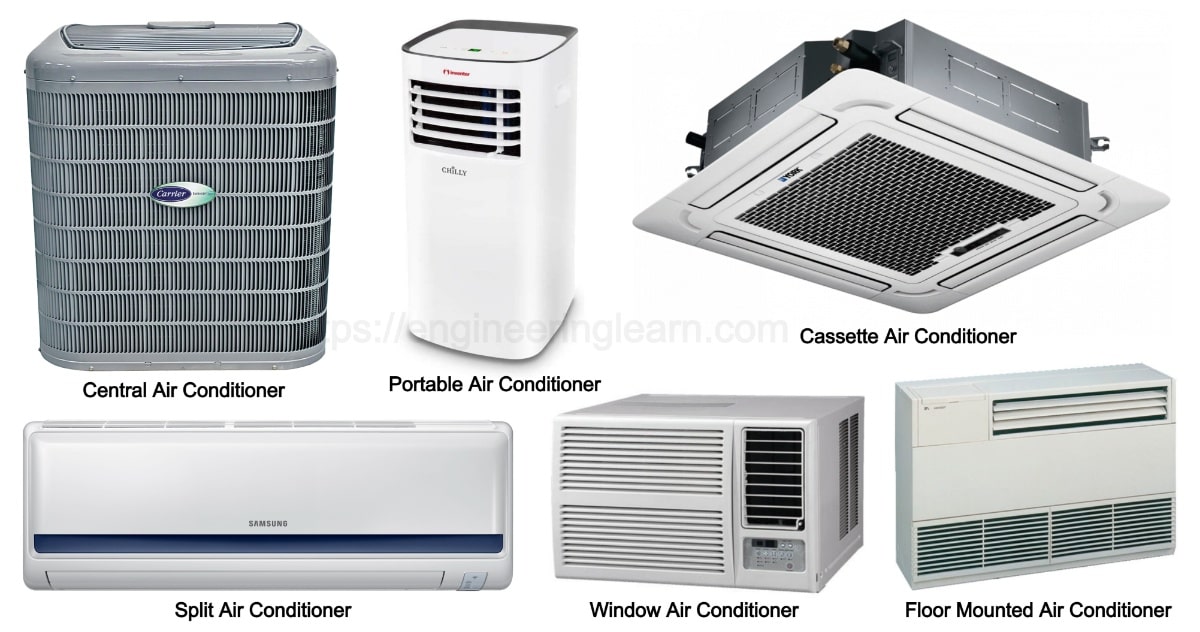
A/c systems play a vital duty in preserving interior convenience, particularly in hot climates. These systems can be found in numerous types, each made to fulfill particular requirements and applications. From central air devices that cool whole homes to portable systems excellent for tiny areas, comprehending the various kinds can assist consumers make educated decisions. Additionally, developments in innovation have actually resulted in more energy-efficient alternatives, adding to both comfort and sustainability. This article checks out the different sorts of cooling systems, highlighting their functions, advantages, and excellent usage situations.
Air Conditioning
Central air conditioning systems are a prominent option for cooling down huge spaces and multiple areas within a building. These systems run by utilizing a network of ductwork to distribute cooled down air throughout the premises, guaranteeing a regular temperature and comfort level in every location. Central air usually consists of a central unit, often located outdoors, which houses the compressor, condenser, and fan, while an indoor system contains the evaporator coil and air trainer.
Among the primary benefits of air conditioning is its capacity to cool an entire office or home uniformly, making it a lot more efficient than specific home window or portable units. This system is regulated by a thermostat, permitting customers to set their preferred temperature level easily. Additionally, numerous air conditioning systems come outfitted with advanced attributes like variable-speed followers, programmable thermostats, and energy-efficient designs to lower power consumption and energy costs.
Installment of an air conditioning system usually involves more upfront prices contrasted to various other sorts of cooling systems. Nonetheless, when effectively preserved, they can offer considerable long-term benefits, including enhanced convenience, air top quality, and energy effectiveness. Normal upkeep, such as changing filters and cleansing air ducts, is essential to ensure optimum performance and durability of the system.
Split Cooling Systems
Cooling systems are crucial for maintaining comfortable interior atmospheres, particularly in hot climates. Among the various types available, split air conditioning systems are popular for both household and commercial applications as a result of their performance and adaptability.
Split a/c systems include two major elements: an interior system and an exterior system. The interior device is usually mounted on a wall surface or ceiling and is accountable for dispersing cool air throughout the space. The outdoor device consists of the compressor and condenser, which collaborate to expel warm from the cooling agent taken in inside the structure.
Among the vital benefits of split air conditioning systems is their energy efficiency. Given that the compressor lies outside, they create less noise indoors, providing a quieter setting. Furthermore, these systems can be mounted in numerous arrangements, allowing for installment in places where traditional ductwork is not feasible.
An additional remarkable benefit is their capability to give both cooling and home heating, relying on the model. Several split systems incorporate a heatpump functionality, making them appropriate for year-round climate control. This dual ability improves their appeal for homeowners seeking functional and cost-effective services.
While split air conditioning systems supply numerous advantages, correct setup and maintenance are crucial for optimum efficiency. Regular maintenance ensures that the system runs efficiently, extends its life expectancy, and maintains air top quality. With developments in technology, modern split systems likewise include smart attributes, permitting customers to manage their settings from another location using smart phones.
In recap, split air conditioning systems are a preferred option for effective and versatile climate control. Their design, energy performance, and capacity to offer both cooling and home heating make them suitable for a wide variety of applications, contributing to comfortable indoor environments. Understanding their parts and benefits can assist consumers make educated decisions when choosing a cooling system.
Window Air Conditioners
Home window a/c are amongst the most usual and available sorts of a/c systems available today. They are portable units developed to cool down a single room successfully and can be mounted straight in a home window or through an opening in the wall. These systems are favored for their cost, convenience of setup, and reliable air conditioning abilities for small spaces.
- Economical: Home window air conditioning unit are usually less expensive than main systems, making them a popular selection for budget-conscious customers.
- Easy installment: The installation procedure calls for minimum devices and can typically be completed within a few hours.
- Mobile: While they are usually repaired in place, some devices can be gotten rid of and transferred as needed.
- Energy-efficient options: Lots of modern window devices include energy-saving attributes that help in reducing electrical power costs.
- Range of cooling capacities: Available in various BTU rankings, home window air conditioning unit can accommodate various space dimensions and cooling demands.
In recap, window ac unit supply a functional service for cooling private spaces, making them an exceptional choice for homes, bedrooms, and other small areas where centralized a/c is not feasible.
Portable Air Conditioners
Air conditioning systems are vital for preserving comfy interior environments, particularly throughout heat. Among the numerous kinds of cooling devices, portable air conditioning system are especially prominent due to their flexibility and ease of use. These devices can be moved from space to area, offering cooling down where it is needed most without the need for irreversible installation.
- Flexibility: Portable a/c can be easily transferred, making them excellent for tenants or those that wish to cool down specific locations without comprehensive installment.
- Energy Efficiency: Lots of mobile devices include energy-saving settings that help reduce electricity intake while still supplying ample air conditioning.
- Air Flow Options: Mobile ac system can be vented through home windows, doors, and even ceiling openings, allowing for versatile setup relying on the space.
- Double Capability: Some devices also provide heating abilities, making them valuable year-round for both air conditioning and heating demands.
- Ease of Installment: Setting up a mobile air conditioning system usually requires very little tools and effort, as a lot of models come ready-to-use with uncomplicated guidelines.
When picking a portable air conditioning system, it's important to take into consideration the space dimension, power efficiency ratings, and additional features to make certain optimum efficiency and convenience. With the ideal design, mobile a/c unit can provide the cooling alleviation needed during the hottest months of the year.
Cooling Down Principles in A/c
Cooling and refrigeration systems rely on basic cooling concepts to manage temperature levels and preserve convenience in indoor settings. By manipulating the thermodynamic properties of refrigerants, these systems facilitate warmth exchange, removing undesirable warmth from spaces and eliminating it outside. Recognizing the devices behind these procedures, such as the refrigeration cycle, stage adjustments, and warmth transfer, is vital for maximizing system efficiency and energy performance. As modern technology breakthroughs, these principles continue to advance, leading the way for even more lasting and effective air conditioning remedies.
Refrigeration Cycle
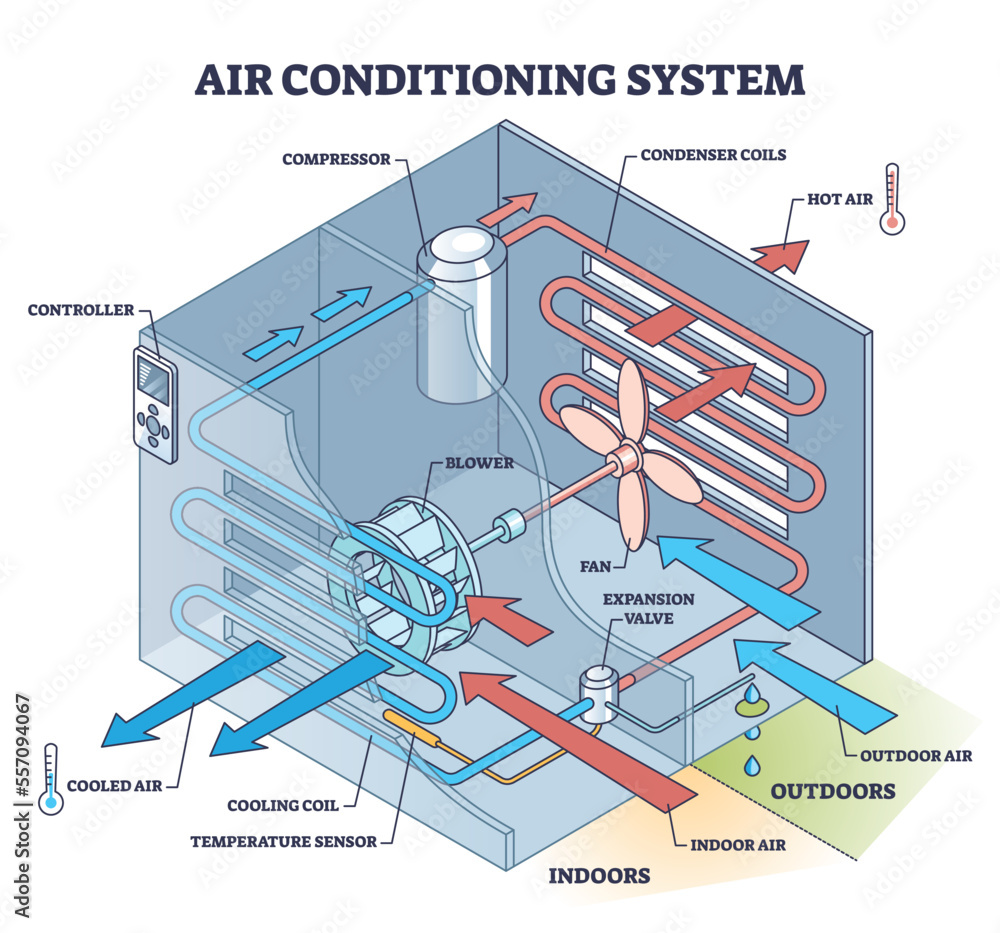
Cooling down concepts in air conditioning and refrigeration are mostly based on the refrigeration cycle, which entails the transfer of warm from one area to another, utilizing a refrigerant as a tool. The refrigeration cycle runs through four primary processes: dissipation, compression, condensation, and expansion. Each of these phases plays a crucial role in the reliable elimination of heat, therefore reducing the temperature level of the area being cooled.
In the dissipation stage, the refrigerant takes in warmth from the setting and vaporizes right into a gas. This process occurs in the evaporator coil, which is typically located inside the a/c system. By soaking up warm, the cooling agent cools the air that is flowed throughout the indoor space.
Next off, in the compression phase, the gaseous cooling agent is compressed by the compressor, which raises its stress and temperature. The compressor is generally located outside the structure, and this stage is important as it prepares the refrigerant for the next process.
The high-pressure gas then relocates to the condensation stage, where it releases the soaked up warmth to the outside air. This takes place in the condenser coil, which allows the cooling agent to cool down and condense back into a fluid type. The launch of warmth is essential for the system's overall efficiency.
Lastly, in the growth stage, the high-pressure fluid refrigerant goes through a growth shutoff, where its stress and temperature level drop considerably. This cooled, low-pressure refrigerant then returns to the evaporator coil, rebooting the cycle. This constant loop permits a/c and refrigeration systems to maintain comfy temperatures and maintain perishable goods successfully.
Recognizing these cooling concepts is essential not just for the operation of cooling and refrigeration systems however additionally for improving their efficiency and longevity. Appropriate upkeep of these elements can lead to considerable power savings and boosted performance.
Heat Exchange Mechanisms
A/c systems operate based upon fundamental cooling concepts that involve the transfer of warm from indoor spaces to the outdoors setting. This procedure is mainly accomplished through heat exchange devices, which utilize refrigerants to soak up and remove warmth successfully. Understanding these principles is crucial for enhancing comfort and energy efficiency in both residential and business settings.
The refrigeration cycle is the keystone of a/c. It involves 4 primary stages: dissipation, compression, condensation, and growth. During dissipation, the cooling agent takes in warmth from the interior air as it changes from a liquid to a gas. This process decreases the interior temperature, supplying the wanted air conditioning effect.
As soon as the cooling agent comes to be a gas, it is pressed by the compressor, which boosts its pressure and temperature level. The high-pressure gas after that moves to the condenser coil, where it launches the absorbed heat to the outdoors atmosphere as it transitions back right into a fluid state. This heat exchange happens through using fans and cooling fins that improve the dissipation of heat.
The next action involves the expansion valve, which lowers the stress of the refrigerant prior to it comes back the evaporator coil. This development permits the cooling agent to cool off rapidly, preparing it to take in more warmth from the interior air. The cycle then repeats, constantly regulating indoor temperatures.
Warmth exchange mechanisms also rely upon various methods, consisting of both air-cooled and water-cooled systems. Air-cooled systems make use of air as the medium for warm exchange, making them typical in lots of residential air conditioning systems. In contrast, water-cooled systems use water to dissipate warmth, often found in larger commercial applications. This option affects the performance and efficiency of the air conditioning system.
Along with these basic principles, improvements in innovation, such as variable-speed compressors and wise thermostats, have further improved the effectiveness of a/c systems. By maximizing the heat exchange procedure and decreasing power usage, these technologies advertise a more lasting approach to air conditioning.
Ultimately, comprehending cooling concepts and warm exchange systems is essential for reliable cooling layout and operation. Appropriate maintenance and system layout not only boost efficiency but additionally contribute to substantial power savings over time.
Evaporators and Condensers
Cooling and refrigeration systems rely on the fundamental concepts of thermodynamics to move warm and supply cooling. At the core of these systems are 2 important components: evaporators and condensers. Recognizing exactly how these elements function is important for comprehending the general cooling procedure.
The evaporator plays a crucial role in absorbing warm from the setting. In this part, refrigerant enters as a low-pressure, low-temperature liquid and absorbs heat from the interior air. As it takes in warmth, the cooling agent vaporizes and transforms into a gas. This phase change is critical due to the fact that it enables the system to attract warm far from the air, properly decreasing the temperature level in the conditioned space.
Conversely, the condenser is in charge of launching the absorbed warmth. After the refrigerant departures the evaporator as a gas, it is compressed by the compressor, raising its stress and temperature level. The high-pressure gas after that flows into the condenser, where it launches its warm to the outdoors atmosphere. As the refrigerant cools, it condenses back into a liquid state, prepared to return to the evaporator and complete the cycle.
Both the evaporator and condenser operate the principle of warm transfer and stage modifications, enabling effective cooling. Proper air flow and cooling agent blood circulation are important to preserve optimal performance in a/c and refrigeration systems. By comprehending the duties of these components, one can appreciate the intricacy and efficiency of contemporary cooling innovations.
Types of Refrigeration Equipments
Refrigeration systems play an important role in keeping optimal temperature level and humidity levels for various applications, from domestic a/c to commercial refrigeration. Recognizing the various types of refrigeration systems is crucial for picking the most ideal option based upon effectiveness, price, and certain cooling down needs. This short article looks into the different types of refrigeration systems, exploring their devices, advantages, and common uses to offer insight into just how they add to temperature level control in both commercial and residential setups.
Refrigerators
Refrigeration systems are essential for maintaining food, controling temperature levels in structures, and preserving comfy atmospheres. Different types of refrigeration systems cater to various applications; understanding these systems can help in selecting the appropriate one for specific requirements. Here are the main kinds of refrigeration systems:
- Compression Refrigeration Equipments
- Absorption Refrigeration Equipments
- Thermoelectric Refrigeration Equipments
- Magnetic Refrigeration Solutions
- Evaporative Cooling Systems
Each type of refrigeration system operates based on different principles and technologies, making them ideal for various applications in residential, industrial, and commercial settings.
Freezers
Refrigeration systems are essential in numerous industries and applications, giving cooling remedies for food storage space, drugs, and industrial processes. There are several sorts of refrigeration systems, each created to satisfy certain demands and operational needs.
One common kind of refrigeration system is the vapor-compression refrigerant system, which uses a cooling agent that evaporates and takes in warm from the setting, consequently pressing and condensing it to launch the gathered warm. This system is commonly utilized in air conditioning devices and typical refrigerators.
One more type is the absorption refrigeration system. This system uses heat, derived from a gas flame, electrical heating unit, or waste warmth, to drive the refrigeration cycle. It is typically utilized in circumstances where power is not available or also expensive, such as in campers or remote locations.
Thermoelectric refrigeration is an additional choice that uses the Peltier result to produce a heat change between the junction of two various products. While typically much less reliable than vapor-compression systems, it is small and has no moving components, making it ideal for tiny appliances and mobile colders.
For industrial applications, durable refrigeration systems, such as waterfall systems, are employed. These systems use multiple refrigeration cycles in tandem to reach extremely reduced temperatures, appropriate for specialized procedures or storage of products like dissolved gases.
Pertaining to freezers, they are specialized refrigeration systems developed for lasting preservation of food and other subject to spoiling items. Freezers typically run at temperature levels listed below 0 ° F (-18 ° C), making certain that germs development is minimized, and food top quality is maintained. There are a number of kinds of freezers, including upright freezers, upper body freezers, and industrial freezers, each with its advantages customized for different storage space needs.
Upright freezers look like typical refrigerators with an interior shelving system, making them suitable for smaller areas. Upper body fridges freezer offer even more storage space capability and energy effectiveness but need larger floor area. Business fridges freezer, which are often made use of in dining establishments and supermarket, can can be found in numerous arrangements depending upon the storage space requires.
Generally, recognizing the different sorts of refrigeration systems, including freezers, is crucial for picking the appropriate system for specific applications, eventually affecting efficiency, price, and functionality.
Commercial Refrigeration
Refrigeration systems play an important duty in business applications, giving crucial temperature level control for various industries, including food storage, drugs, and extra. Understanding the various types of refrigeration systems is crucial to picking the best service for particular requirements. Below, we check out the main kinds of refrigeration systems made use of in commercial setups.
- Vapor Compression Refrigeration Equipments
- Absorption Refrigeration Solutions
- Evaporative Refrigeration Systems
- Transcritical CO2 Refrigeration Systems
- Refrigeration Solutions with Waterfall Setup
Each of these systems has unique operational principles and applications, making them suitable for different environments and needs. Picking the appropriate kind of refrigeration system can significantly impact power performance, functional expenses, and general performance in maintaining preferred temperatures.
Applications of A/c and Refrigeration
Cooling and refrigeration play crucial roles in contemporary culture, providing necessary remedies for temperature level control and conservation of disposable items. These modern technologies are extensively utilized in domestic, business, and commercial settings, boosting convenience in homes, making it possible for food storage space in supermarkets, and keeping optimal problems in labs and data centers. By managing temperature level and moisture, cooling and refrigeration systems not just enhance quality of life yet also contribute to energy efficiency and sustainability.
Residential Applications
Cooling and refrigeration play a crucial duty in enhancing the comfort and lifestyle in domestic settings. These systems not only produce an enjoyable indoor atmosphere yet additionally contribute dramatically to food preservation and health and wellness in homes.
In household applications, cooling systems are typically utilized to preserve ideal interior temperatures during hot weather. They help control humidity degrees, making indoor rooms much more comfortable and much less susceptible to heat-related problems. This is particularly crucial in regions with severe environments, where summer seasons can be blisteringly hot.
Moreover, a/c systems can boost air top quality by straining dust, pollen, and other air-borne toxins. This is especially beneficial for individuals with allergies or respiratory problems, as cleaner air advertises much better wellness and well-being. Some contemporary systems additionally include modern technology for reducing indoor pollutants, additionally boosting the living atmosphere.
In addition to cooling, refrigeration is indispensable in the home for protecting perishable food things. Fridges preserve a stable atmosphere, avoiding putridity and prolonging the quality of fruits, veggies, milk products, and meats. This not just decreases food waste however likewise guarantees that households have accessibility to risk-free and nutritious dishes.
Refrigeration technology extends past food storage; it likewise includes specialized appliances like fridges freezer, drink coolers, and ice manufacturers, boosting benefit and lifestyle quality. These appliances permit family members to stock up on groceries and ensure that their favorite beverages are cooled and all set for intake.
On the whole, the applications of air conditioning and refrigeration in household settings contribute significantly to convenience, health, and ease, making them important parts of modern living.
Commercial Applications
Cooling and refrigeration play an important duty in various business applications, making certain convenience, preservation, and effectiveness in different setups. These systems are essential in keeping ideal problems for both employees and items, adding to the general success and efficiency of companies.
- Food and Beverage Sector: Refrigeration is essential for preserving perishable products, making certain food security, and extending service life in supermarkets, dining establishments, and food handling centers.
- Drugs: Managed temperature environments are crucial for keeping injections, medications, and organic examples, guaranteeing efficiency and security.
- Data Centers: Cooling systems are important for managing temperature and moisture, protecting against overheating of servers and ensuring the dependability of IT operations.
- Medical facilities: HVAC systems provide necessary environment control to preserve clean and sterile problems in operating rooms and comfort in individual care locations.
- Retail Spaces: A/c enhances customer comfort, advertising longer shopping periods and boosting sales in shops.
- Production: Temperature-controlled environments are needed for certain manufacturing processes to make sure top quality and security of products.
These applications highlight the value of a/c and refrigeration in driving performance, security, and comfort throughout numerous markets.
Industrial Applications
Cooling and refrigeration play a vital role in different commercial applications, significantly improving functional effectiveness and item high quality across several industries. These systems are important for keeping ideal temperature and humidity degrees in manufacturing environments and storage facilities.
In the food and drink sector, refrigeration systems are essential for maintaining perishable items, extending service life, and ensuring food security. Business refrigeration devices are widely used in grocery stores, dining establishments, and food handling plants to shop and display products at safe temperatures.
The pharmaceutical and biotechnology markets depend heavily on specific temperature level control to guard delicate materials and drugs. Refrigeration systems in laboratories and warehouse aid maintain the stability of vaccinations, blood products, and other temperature-sensitive pharmaceuticals.
Heating and cooling systems, which incorporate home heating, air flow, and air conditioning, prevail in manufacturing plants and storage facilities. These systems manage interior environments to create comfortable working conditions for workers and shield machinery from temperature level changes, inevitably boosting performance and reducing tools failure.
Information centers also make use of a/c systems to manage temperature level and humidity, ensuring optimal efficiency and reliability of servers and IT framework. Excessive warm can bring about breakdowns, making reliable air conditioning solutions essential for preserving data stability and avoiding downtime.
In the chemical market, refrigeration and cooling down systems are employed in various processes, consisting of distillation and reaction control. Keeping specific temperature level ranges during chemical reactions is crucial for product high quality and safety and security, making reliable refrigeration technologies indispensable.
Lastly, the auto sector makes use of cooling in manufacturing plants for staff member comfort, in addition to in lorries to boost consumer complete satisfaction. Reliable climate control systems boost air quality and minimize heat tension throughout the setting up process, eventually causing better item outcomes.
Energy Effectiveness in Air Conditioning and Refrigeration
Energy performance in a/c and refrigeration is a critical aspect of modern-day environmental sustainability and economic feasibility. As worldwide temperatures continue to rise, the demand for effective cooling solutions heightens. By maximizing energy use in these systems, we not only reduce electrical energy expenses yet additionally reduce greenhouse gas exhausts, adding to a much healthier earth. Advancements in innovation and cutting-edge techniques in system style and upkeep play a vital function in improving power efficiency, making it necessary for both property owners and businesses to apply energy-saving steps in their cooling options.
SEER Ratings
Energy performance in a/c and refrigeration systems is vital for lowering power consumption and decreasing ecological effect. One of the essential metrics used to analyze the effectiveness of air conditioning devices is the Seasonal Energy Effectiveness Proportion (SEER). The SEER rating determines the cooling output during a common air conditioning period divided by the total electrical energy input throughout the same period, providing a trustworthy method to contrast the effectiveness of different units.
A higher SEER score indicates a more effective air conditioning system, which can result in considerable expense financial savings on energy expenses. For example, while older systems might have SEER scores as low as 10, newer systems can achieve ratings of 20 or even more. This improvement results from advancements in innovation and better style practices that focus on enhancing performance.
Selecting an air conditioning system with a higher SEER rating not only improves energy effectiveness but also contributes to an extra lasting setting by decreasing greenhouse gas emissions connected with electricity production. Customers should think about the preliminary investment in high-efficiency devices as a long-lasting financial benefit, as lower energy use translates to savings over the lifespan of the system.
Along with picking a system with a higher SEER score, routine upkeep and proper sizing of the system are crucial for maximizing efficiency. This includes jobs such as cleaning filters, inspecting cooling agent levels, and making sure that the unit is suitably sized for the space it is cooling. Executing these techniques along with choosing energy-efficient devices can optimize convenience while decreasing energy prices.
Power Celebrity Qualification
Energy efficiency in cooling and refrigeration is important for lowering power consumption, lowering utility costs, and lessening environmental impact. As a significant factor to energy usage in buildings, maximizing these systems can cause substantial power cost savings. Purchasing energy-efficient systems not only boosts comfort however also sustains lasting practices by reducing greenhouse gas emissions.
Among the most recognized criteria for power performance in these home appliances is the Power Celebrity accreditation. This program, developed by the united state Environmental Protection Agency, identifies items that go beyond government performance needs. Power Star-certified ac system and refrigeration units are created to use much less energy without giving up efficiency. They undergo strenuous testing and needs to meet stringent performance guidelines, making sure consumers can trust their dependability and cost-effectiveness.
Putting up Energy Star-rated equipment can result in considerable energy financial savings, frequently reducing energy intake by 10-40% contrasted to non-certified models. This not just profits the atmosphere yet likewise offers cost financial savings over the life-span of the home appliance. Additionally, customers can benefit from refunds and incentives from different utility business and federal government programs that promote energy-efficient technologies.
In recap, focusing on power effectiveness in a/c and refrigeration systems with Power Celebrity accreditation is an essential strategy for reducing energy usage, saving sources, and advertising sustainability. By selecting licensed items, people and companies can contribute to a greener future while delighting in boosted comfort and lower power bills.
Cooling Agents and Environmental Impact
Power effectiveness in air conditioning and refrigeration systems is crucial for decreasing ecological influence and decreasing power usage. Reliable systems not only lower electrical energy expenses but additionally contribute to decreasing greenhouse gas emissions. An important element of this efficiency is the sort of refrigerants made use of, as they can vary dramatically in their effect on global warming and ozone exhaustion.
Cooling agents can be identified into several classifications, each with unique environmental effects:
- Hydrochlorofluorocarbons (HCFCs): These were frequently made use of however are being eliminated as a result of their ozone-depleting buildings.
- Hydrofluorocarbons (HFCs): Although they do not harm the ozone layer, several HFCs have a high global warming capacity (GWP).
- Normally happening cooling agents: Examples include ammonia, co2, and hydrocarbons, which normally have lower GWP and are much more eco-friendly.
- Hydrofluoroolefins (HFOs): A newer class of cooling agents with reduced GWP, made to replace HFCs while still being effective.
Improving power performance in air conditioning and refrigeration systems entails picking the right cooling agent, employing innovative innovation, and applying finest practices in procedure and maintenance. This not just aids in compliance with regulations however likewise advertises sustainability and ecological responsibility.
Upkeep and Troubleshooting
Upkeep and troubleshooting are essential elements in making sure the efficient procedure of air conditioning and refrigeration systems. Routine upkeep aids stop unforeseen malfunctions and prolongs the life-span of these crucial devices, while efficient fixing strategies can rapidly recognize and resolve concerns as they emerge. Recognizing the typical problems and upkeep practices related to cooling systems is crucial for both house owners and specialists, promoting a comfortable and climate-controlled environment.
Regular Maintenance Practices
Routine maintenance methods for a/c and refrigeration systems are important to make certain ideal performance, performance, and durability. Regular maintenance not just assists in determining possible problems prior to they escalate yet additionally boosts power performance and maintains a comfy environment. Right here are some key practices to think about:
- Evaluate and change air filters monthly or as required to guarantee correct air flow.
- Tidy condenser and evaporator coils consistently to enhance heat exchange performance.
- Inspect and clear drain lines to stop water blockage and possible leaks.
- Check cooling agent levels and try to find indications of leakages; reenergize as required.
- Evaluate the thermostat for accurate analyses and adjust as needed.
- Examine electric links and parts for indicators of wear or rust.
- Oil follower electric motors and bearings to decrease friction and wear.
- Guarantee that all vents and signs up are unblocked to allow for optimum air flow.
By adhering to these routine upkeep practices, you can significantly boost the dependability and performance of your air conditioning and refrigeration systems, leading to improved comfort and lower functional costs.
Typical Problems and Solutions
Preserving and fixing cooling and refrigeration systems is vital to guaranteeing their performance and lengthening their life expectancy. Normal maintenance helps protect against usual problems, while recognizing just how to troubleshoot can conserve time and money during emergency situations.
One of one of the most common issues come across is inadequate air conditioning. This can typically be attributed to filthy air filters or obstructed ductwork. Frequently changing or cleaning up air filters each to three months can protect against airflow obstructions. Monitoring and cleaning ductwork can also enhance efficiency and enhance interior air high quality.
One more frequent issue is ice accumulation on the evaporator coil. This generally indicates reduced cooling agent levels or bad air flow. To fix this issue, examine the cooling agent levels and look for any leaks in the system. If low air movement is believed, cleaning the coils and guaranteeing that air vents are not blocked can aid.
Noisy procedure is likewise a typical issue, which might originate from loosened elements or worn-out parts. Examining the follower and electric motor for any type of signs of wear, and tightening up any kind of loose screws, can alleviate this problem. In addition, lubrication of moving parts can decrease sound substantially.
If the system falls short to switch on, examine the thermostat settings, breaker, and any kind of merges that may have blown. Sometimes, straightforward changes or substitutes can settle the issue swiftly. Normal checks on electric connections can additionally protect against unexpected closures.
When it comes to refrigerant leakages, it is vital to seek professional help, as handling cooling agents calls for appropriate training and tools. Identifying the source of the leak and scheduling prompt repair work can prevent additional damage and enhance system effectiveness.
Last but not least, normal specialist servicing is a good idea, usually yearly, to make certain that systems operate ideally. Service technicians can execute thorough checks, recognize possible concerns early, and solution parts that may be nearing completion of their life process.
When to Call an Expert
Keeping your cooling and refrigeration systems is necessary for guaranteeing optimum performance and long life. Normal maintenance includes jobs like cleaning up filters, inspecting refrigerant levels, and inspecting parts for wear and tear. These actions can stop minor issues from escalating right into considerable troubles, conserving you money and time over time.
Troubleshooting can frequently be done by home owners or upkeep personnel, such as checking power supply, making certain the thermostat is established appropriately, and checking out ductwork for clogs. Nonetheless, there are specific scenarios where your DIY initiatives may not suffice. If you observe uncommon sounds, relentless leaks, or if the system fails to cool down appropriately in spite of troubleshooting, it's time to consider calling a specialist.
Calling an expert service technician is suggested when handling complicated concerns such as electrical faults, cooling agent leaks, or mechanical failures. These issues can posture safety and security dangers and commonly require specific tools and training to identify and fix appropriately. Additionally, experts have the competence to determine underlying concerns that may not be quickly noticeable, ensuring that your system runs efficiently and efficiently over its life-span.
To conclude, while regular upkeep and some basic troubleshooting can be taken care of by many with a little expertise, understanding when to call an expert is essential for the security and performance of your air conditioning and refrigeration systems. Do not think twice to look for professional assistance for any type of substantial problems or complexities. It is a smart investment in your comfort and peace of mind.
Future Patterns in Air Conditioning and Refrigeration
The future of a/c and refrigeration is set to be shaped by innovative modern technologies and a growing focus on sustainability. As worries about environment modification and energy usage escalate, the market is exploring sophisticated solutions that improve performance while minimizing environmental effect. From wise systems that optimize energy use to green refrigerants, the advancement of air conditioning and refrigeration guarantees to deliver enhanced comfort and convenience, all while straightening with global sustainability objectives.
Smart Technology Integration
The future of a/c and refrigeration is readied to be considerably influenced by smart innovation integration. As the worldwide need for energy-efficient services grows, advancements in wise technology will certainly play a vital function in reinventing just how these systems run.
One of the vital patterns is the consolidation of Web of Points (IoT) devices right into cooling and refrigeration systems. These smart tools enable real-time tracking and information collection, permitting users to track energy usage, optimize performance, and anticipate upkeep demands. This positive approach not just boosts efficiency however also expands the life-span of the devices.
Furthermore, expert system (AI) is expected to enhance power monitoring systems. AI algorithms can examine usage patterns and readjust setups immediately, making sure that power is used effectively. This can cause significant expense savings for both household and commercial applications, making a/c and refrigeration systems extra lasting.
An additional arising pattern is the assimilation of renewable energy resources. Solutions that can work in combination with photovoltaic panels or wind power will come to be increasingly preferred, promoting a more lasting technique to cooling and refrigeration. This change will certainly be supported by innovations in power storage space technology, allowing systems to run effectively even when renewable resource sources are not actively producing power.
Last but not least, the design of air conditioning and refrigeration systems is evolving to be extra easy to use and cosmetically pleasing. Existing patterns emphasize small systems that mix effortlessly into numerous environments. Smart thermostats and mobile applications permit users to manage their systems from another location, providing both benefit and a much more individualized experience.
In conclusion, the future of cooling and refrigeration is poised for improvement through wise technology assimilation. As these patterns develop, they assure to supply improved performance, sustainability, and individual comfort in a swiftly altering world.
Lasting Practices and Innovations
The future of a/c and refrigeration is poised for transformative changes driven by sustainability, technological improvements, and consumer needs for power efficiency. As climate change intensifies, the market is experiencing a shift towards green techniques and ingenious options that minimize ecological impact while taking full advantage of efficiency.
One major fad is the enhanced use all-natural refrigerants, such as ammonia, co2, and hydrocarbons. These compounds supply reduced global warming potential contrasted to standard refrigerants, lining up with global policies like the Kigali Amendment. Suppliers are investing in the growth of systems that integrate these options, minimizing the carbon impact associated with air conditioning and refrigeration.
An additional emphasis gets on wise innovation combination. The increase of the Net of Points (IoT) allows for the development of intelligent HVAC systems that can optimize power usage based upon real-time data. These systems can change their efficiency according to occupancy patterns and outside climate conditions, bring about considerable power savings and enhanced interior comfort.
Power efficiency is likewise being focused on with innovative system designs and hybrid options. Technologies such as variable cooling agent flow (VRF) systems and power recovery ventilators (ERVs) are ending up being requirement in both domestic and industrial applications. These technologies improve power performance by decreasing waste and enhancing overall system performance.
In addition, the incorporation of renewable resource sources, like solar power, is gaining grip in the air conditioning and refrigeration industries. Systems that can be powered by solar power not only reduce power prices however additionally reduce dependancy on fossil fuels, contributing to a lasting future.
Ultimately, customer awareness and need for sustainable practices are pushing firms to take on circular economic situation principles. This includes developing items with recyclability in mind, urging repair and maintenance over disposal, and developing take-back plans for old equipment to reduce waste.
As the market embraces these fads, the air conditioning and refrigeration markets are readied to advance into even more lasting practices, making certain that future air conditioning remedies are reliable, environment-friendly, and resistant to the challenges positioned by climate adjustment.
Advancements in Refrigerants
The future of cooling and refrigeration is positioned for significant innovations driven by technological developments, environmental factors to consider, and evolving consumer needs. As climate change intensifies, the market is moving in the direction of even more lasting and energy-efficient options that reduce greenhouse gas exhausts while maintaining optimal efficiency.
Among one of the most noteworthy patterns is the development of sophisticated refrigerants. Typical cooling agents, such as hydrofluorocarbons (HFCs), have actually been phased out in lots of areas because of their high international warming potentials. In their location, all-natural refrigerants like ammonia, carbon dioxide, and hydrocarbons are gaining popularity. These choices not just offer reduced ecological effects yet additionally boost energy performance, making systems cheaper to operate over time.
An additional considerable trend is the integration of wise technology right into a/c and refrigeration systems. IoT-enabled tools enable real-time monitoring and control, optimizing energy usage and enhancing the overall performance of HVAC systems. These modern technologies can provide anticipating maintenance notifies, ensuring that systems run at peak performance while decreasing downtime.
Additionally, developments in insulation products and developing designs are enhancing these changes. Boosted insulation reduces the air conditioning lots, thus enabling smaller, a lot more efficient units to be made use of. This collaborating technique to style and technology will certainly even more reduce power intake in both residential and commercial structures.
Last but not least, sustainability is becoming a central theme, with an increasing focus on life-cycle analyses of cooling and heating products. Companies are concentrating on creating systems that are not just reliable but likewise environmentally accountable throughout their life cycles. This all natural method is coming to be an affordable advantage in a market that is increasingly conscious ecological influences.
In conclusion, the future of cooling and refrigeration is predestined for makeover. By welcoming innovative cooling agents, wise technology, boosted building layouts, and a solid commitment to sustainability, the industry is well-positioned to meet the difficulties of climate adjustment while providing effective and reliable air conditioning solutions.