

Air Conditioning Gas Refill
This may leave small openings and cracks in the system that causes leakages. This will certainly make your AC system lose stress so air movement is noticeably decreased. Use a leakage detection kit around your A/C pipes and compressor to see if this is your trouble.
Understanding Cooling Systems
Recognizing a/c systems is necessary for keeping a comfortable indoor atmosphere, particularly during warm summer season. One crucial element of these systems is the refrigerant gas, which plays a crucial role in the cooling process. Recognizing when and how to replenish this gas can ensure your air conditioning unit runs effectively and successfully. This write-up will certainly check out the relevance of a/c gas refill, the indications that suggest it's required, and the actions involved in the process.
Elements of a Cooling System
This includes cleansing, checking refrigerant levels, checking air conditioning filters, and general system examinations. You will certainly require to know about the components or the crucial components of the a/c prior to you charge or do the filling up. So, since you are all set with your handwear covers, and a choice to fill in the ac system, you will certainly need to adhere to straightforward actions to opt for the air conditioning Gas refilling procedure. When cooling agent levels go down, your a/c's cooling efficiency plummets, leading to cozy air and a frustratingly hot home. R-134a is a refrigerant gas used in vehicle cooling systems, while the gas used in a gas container to steam water on a gas cooktop is normally gas or butane. The air conditioning system counts on numerous electric parts to function correctly.
With the vehicle shut off, open your hood and take a look at your a/c system. The ac system compressor itself will have a belt around it. The know-how this team and their partners use freely will make a large distinction when it involves guaranteeing you'll be obtaining real value for money by selecting the best a/c. Air Conditioning Professionals South Africa will place you in touch with knowledgeable air conditioning service technicians that truly understand all there is to know about any kind of sort of air conditioning unit there is.
Understanding cooling systems is important for maintaining optimum indoor convenience, particularly during hot months. A cooling system operates by removing warmth and moisture from the air inside a building and launching it outside, hence decreasing the indoor temperature level. To guarantee the system operates effectively, it is vital to have a grasp of its primary parts and just how they function together.
At the core of an a/c system are a number of vital elements. The compressor serves as the heart of the system, compressing the refrigerant gas and circulating it with the system. The refrigerant itself is important, as it absorbs and launches warm as it changes in between gas and liquid states. The condenser is one more vital component, located outside the structure, where the refrigerant launches warm to the outside air and condenses back into a liquid.
The evaporator coil lies inside the building and responsible for soaking up warmth from the interior air, permitting the cooling agent to vaporize back right into a gas. A fan blows air over the evaporator coil, cooling down the air prior to it is flowed back into the home. Finally, the development shutoff manages the circulation of cooling agent into the evaporator, guaranteeing the system runs smoothly. Normal upkeep and a/c gas refills are needed to maintain these elements working correctly and protect against failures.
On average, your auto's a/c system will require to be serviced and even re-gassed every one to 2 years. You can check for the supercooling and the temperature level or pressure degrees completely and leakages with the current gadgets. If you do not have the devices to detect the leaks and stress, Freon packages are available in the marketplace. These are tools that any kind of usual home owners can utilize and then make use of the metrics to maintain note of the stress readings. If you are having an issue with your cars and truck air conditioning device, it's finest to have the PRO's diagnose and take care of the issue.
Duty of Cooling Agent in A/c
Air conditioning systems are crucial for keeping comfy interior temperatures, specifically in warm environments. They function by moving warmth from inside a room to the outside, effectively cooling down the air A vital element of this procedure is the refrigerant, a compound that distributes within the system, taking in and releasing warm as it alters states from liquid to gas and back again.
The duty of refrigerant in a/c is fundamental. When the cooling agent evaporates in the interior coil, it soaks up heat from the air, reducing the temperature of the interior atmosphere. This gaseous refrigerant is after that pressed by the system's compressor, increasing its stress and temperature level. The warm gas trips to the outdoor coil, where it releases the taken in heat right into the exterior atmosphere. As it cools, the refrigerant condenses back into a fluid state and go back to the indoor coil to duplicate the cycle.
Over time, cooling agent degrees can reduce as a result of leaks or routine system operation, resulting in minimized cooling down effectiveness and potentially creating the system to fall short. As a result, regular checks and refills of refrigerant are vital for preserving optimal performance. Making certain that the air conditioning system is charged with the correct amount of refrigerant not just enhances cooling performance yet also prolongs the life expectancy of the unit, making routine maintenance an important facet of air conditioning system care.
Signs You Required a Refrigerant Refill
As the summer season warm intensifies, ensuring your cooling system is running effectively is vital for maintaining a comfortable interior setting. One crucial aspect of this upkeep is monitoring the refrigerant degrees in your system. A decrease in refrigerant can bring about decreased air conditioning efficiency, increased power bills, and prospective damages to your air conditioning system. Acknowledging the signs that suggest a refrigerant refill is essential can help you take timely activity and maintain your home cool and comfortable during the hottest months of the year.
Increased Energy Costs
Among the main signs that your air conditioning system may need a refrigerant refill is a recognizable boost in your power expenses. When the cooling agent degrees are reduced, the air conditioning device needs to work more challenging to maintain the desired temperature level. This extra strain results in enhanced power usage and, as a result, greater utility prices.
Additionally, if you discover that your home is not cooling as properly as before, it can show a cooling agent leak. The system could struggle to get to the collection temperature level, bring about expanded running times and increased electricity usage. Watching on your energy bills can act as an indication that something isn't rather right with your a/c system.
Additionally, if you observe that the unit runs constantly without cycling off or if you listen to uncommon hissing or bubbling sounds, these might also be signs of low cooling agent degrees. These signs, combined with rising energy prices, recommend that it may be time to call an expert to inspect your refrigerant degrees and guarantee your a/c system is running efficiently.
Insufficient Cooling
If your cooling system isn't offering the great air it made use of to, it might be time to examine the refrigerant levels. Not enough cooling can indicate that your air conditioner system is low on cooling agent, which can adversely influence its efficiency and performance.
Among the most visible indications you need a refrigerant refill is an inconsistency in temperature. If particular areas of your home really feel warmer than others or your system battles to preserve the wanted temperature, it might show that the refrigerant is reduced.
An additional idea is if you listen to uncommon noises coming from your AC device, such as hissing or gurgling audios. These sounds may suggest a cooling agent leakage, which not just reduces cooling power however can also lead to possible damage to the system.
Furthermore, ice formation on the evaporator coils is a critical indicator of not enough cooling agent. When cooling agent degrees drop, the coils can end up being too chilly and freeze, blocking airflow and lowering efficiency.
Ultimately, if your power costs have actually suddenly increased without a significant modification in usage, it can imply your air conditioning device is burning the midnight oil to make up for the absence of refrigerant. Regular upkeep checks can aid stop these problems and guarantee your system runs smoothly.
Hissing or Gurgling Noises
Recognizing the signs that your cooling system calls for a refrigerant refill is necessary for preserving optimum performance and efficiency. Among the most usual indications is the visibility of unusual sounds, such as hissing or bubbling. These noises can signify that the refrigerant degrees are low or that there may be a leakage in the system.
A hissing noise commonly suggests that refrigerant is getting away from a leak in the coils or tubing. This could bring about reduced cooling down effectiveness and, if left unaddressed, further damage to the air. conditioning device. On the other hand, gurgling noises might suggest that the cooling agent is not distributing appropriately, which can be caused by reduced degrees or clogs that protect against flow.
Along with these noises, watch out for various other indications, such as inconsistent cooling from the system or ice buildup on the evaporator coils. If you see any one of these signs, it's smart to consult a professional specialist who can assess the scenario and figure out if a refrigerant refill is essential. Dealing with these issues without delay can help lengthen the life of your cooling system and guarantee a comfy setting in your house.
Frost Accumulation on the Coils
If you see frost accumulation on the coils of your cooling device, it might be a sign that your system is short on cooling agent. This can lead to inadequacy in air conditioning and potential damage to the unit if not attended to immediately. Here are some indications that indicate you may need to take into consideration a cooling agent refill:
- Frost or ice on the coils or inside the system
- Warm air blowing from the vents
- Raised energy costs despite consistent usage
- Longer air conditioning cycles than normal
- Uncommon hissing or gurgling noises from the unit
If you encounter any of these issues, it's advisable to call a professional to examine the refrigerant degrees and service your a/c system as necessary.
Kinds Of Refrigerants Made Use Of
Cooling agents play an essential duty in the efficiency and efficiency of air conditioning systems, functioning as the vital liquid that takes in and transfers warmth. In the process of air conditioning gas refill, recognizing the various types of refrigerants readily available is vital for optimal system feature and environmental conformity. From typical hydrofluorocarbons (HFCs) to more recent, a lot more environment-friendly options like hydrofluoroolefins (HFOs) and natural cooling agents, each kind has its own unique residential properties, benefits, and difficulties. This write-up checks out the various cooling agents made use of in a/c systems, highlighting their influence on cooling down performance and ecological sustainability.
R-22 Refrigerant
Cooling agents are essential for the efficient operation of cooling systems, and their type can considerably impact performance and ecological effect. Among one of the most commonly understood cooling agents is R-22, which has actually been widely made use of in residential and commercial a/c applications for a number of decades.
R-22, also called hydrochlorofluorocarbon (HCFC), is recognized for its reliable cooling properties. It runs successfully under varying temperature levels and pressures, making it suitable for both reduced and high-temperature environments. Nonetheless, R-22 has actually come under examination because of its ozone-depleting potential, leading to a progressive phase-out initiated by the Montreal Method.
As guidelines have tightened, the manufacturing and import of R-22 have been dramatically decreased, pushing several house owners and organizations to consider choices. While R-22 is still in use in older systems, newer refrigerants such as R-410A and R-32 have emerged as environmentally friendlier options, which do not deplete the ozone layer. Nevertheless, transitioning to these alternatives usually calls for system adjustments or complete system substitutes.
For those still utilizing R-22, it is essential to know the variables influencing refrigerant refill rates and prospective leaks, as the decreasing availability of R-22 has actually caused boosted prices. Normal maintenance and prompt refills can assist make best use of the performance and life-span of systems still using this cooling agent.
R-410A Refrigerant
In cooling systems, refrigerants play a critical role in the cooling procedure. They absorb warm from the indoor air and launch it outside, permitting efficient temperature level control. Among different kinds of refrigerants, R-410A has gained considerable popularity due to its positive properties and environmental advantages.
R-410A is a hydrofluorocarbon (HFC) mix included 2 components: R-32 and R-125. This blend provides exceptional thermodynamic efficiency, making it an ideal selection for modern cooling units. Among the standout functions of R-410A is its high effectiveness, allowing systems to run at lower energy consumption degrees contrasted to older refrigerants.
One more essential facet of R-410A is its reduced ozone deficiency possibility (ODP). Unlike older refrigerants such as R-22, which is being terminated because of ecological concerns, R-410A does not add to ozone layer exhaustion. This makes it a more environmentally friendly option for both domestic and commercial air conditioning systems.
As cooling systems need a cooling agent refill, it's important to think about R-410A if the system works. Correct handling and expertise of the cooling agent's residential properties are crucial for preserving efficiency and making sure the durability of the air conditioning system. Overall, R-410A remains a leading choice for ensuring efficient and eco-conscious cooling in today's environment control systems.
Environmental Influence of Refrigerants
Cooling agents are vital components in air conditioning systems, playing a vital function in moving warmth and making sure comfort. There are various kinds of cooling agents, each with special residential or commercial properties and ecological impacts. Common refrigerants consist of Hydrofluorocarbons (HFCs), Hydrocarbons (HCs), and Ammonia (NH3). While HFCs have actually been widely made use of in modern a/c units for their efficiency, they are potent greenhouse gases that add to worldwide warming. Hydrocarbons, on the various other hand, are more eco-friendly choices that have a reduced worldwide warming possibility but need careful handling due to their flammability. Ammonia is an effective cooling agent used mostly in commercial applications, understood for its high power effectiveness yet posturing toxicity risks. Picking the ideal refrigerant is critical not only for system efficiency however additionally for lessening environmental effect.
The ecological influence of cooling agents can not be overemphasized. Many standard refrigerants have a considerable worldwide warming possibility, resulting in raised regulative actions targeted at lowering their usage. The Kigali Change to the Montreal Procedure focuses on phasing down HFCs to mitigate environment modification effects. Consequently, the market is moving towards more lasting choices, consisting of natural cooling agents such as CO2, which has a marginal ecological footprint. Transitioning to eco-friendly refrigerants is necessary for decreasing greenhouse gas exhausts, promoting sustainability, and guaranteeing conformity with rigid environmental policies.
Planning for the Gas Refill Process
Preparing for the gas refill procedure in your cooling system is crucial to ensure optimal performance and efficiency. Recognizing the essential actions and safety measures will certainly aid you prevent common challenges and maintain a comfy interior setting. This guide will walk you via the vital prep work required prior to launching the refill, making certain a smooth and effective treatment.
Collecting Required Tools
Preparing for the gas refill process of an a/c system is important to guarantee whatever goes efficiently and successfully. Collecting the required tools ahead of time can save you from unforeseen hold-ups and complications. The appropriate tools will not just help in the successful completion of the refill however likewise assist you identify any type of underlying issues that may require to be attended to.
First and foremost, you will need a refrigerant manifold scale set. This tool enables you to measure the pressure in the system and establish the quantity of cooling agent needed for a correct refill. It's essential to have a set that works with the specific kind of refrigerant made use of in your a/c unit.
Next, a cooling agent recuperation machine is essential if you plan to recoup the old refrigerant before filling up. This assists in preserving environmental requirements and makes certain that no dangerous substances are released into the atmosphere. Make sure your recuperation machine is in excellent functioning order prior to starting the procedure.
In addition, a vacuum pump is needed to get rid of air and dampness from the system after the old refrigerant is removed. This step is critical, as dampness can cause corrosion and damages to the air conditioning device. Ensure that your air pump can reaching the appropriate vacuum cleaner level for ideal efficiency.
Do not forget safety and security devices. Using handwear covers and goggles will certainly secure you from any kind of unexpected direct exposure to cooling agents, which can be unsafe. Having a set of standard hand devices, such as wrenches and screwdrivers, can also be helpful for any kind of disassembly called for throughout the process.
Lastly, have a trusted supply of the suitable refrigerant accessible. Make sure to check the requirements for your air conditioning system to ensure you are making use of the proper type and amount of gas. By being well-prepared and gathering the right devices, you can assist in an effective gas refill procedure, aiding to maintain the effectiveness and life-span of your a/c system.
Understanding Safety And Security Methods
Planning for the gas refill process of a cooling system is essential for guaranteeing not only the effectiveness of the unit but also the safety of everyone entailed. Prior to waging a refill, it's important to perform a complete analysis of the air conditioning system to identify any kind of leaks or issues that might have triggered the deficiency of refrigerant. This assessment must consist of examining the compressor, evaporator, and condenser coils for any type of signs of damages or wear.
Comprehending security procedures during the gas refill procedure is important. Initially, always utilize proper protective gear, such as handwear covers and safety glasses, to protect versus refrigerant exposure. Guarantee the workplace is well-ventilated to prevent the accumulation of toxic fumes. It is additionally crucial to follow maker standards on the kind and quantity of refrigerant to be used, as overfilling can cause system damages or develop hazardous problems.
Prior to beginning the refill, make sure that the a/c unit is shut off and that all pertinent devices and tools are in excellent problem. Be familiar with the pressure degrees required for the specific refrigerant being used, and make use of stress evaluates to keep an eye on the system accurately. In scenarios where the cooling agent is being evacuated from the system, make certain that it is carried out in conformity with ecological policies to avoid damaging exhausts.
Lastly, after completing the refill, inspect the system's efficiency to guarantee it is running effectively. Screen for any type of uncommon audios or changes in airflow as these can suggest underlying problems that might require more interest. By sticking to these protocols, the gas refill process can be executed securely and successfully, adding to the longevity and integrity of the air conditioning device.
Looking for Leakages and Fixings
Getting ready for the gas refill process in an air conditioning system is important to guarantee optimal performance and performance. Prior to starting the refill, it is very important to inspect the system for any type of prospective problems, including leaks and essential repair services. This not only lengthens the life of the a/c unit however also makes certain a safe setting.
To start, shut off the cooling system and situate the solution ports, normally discovered on the exterior unit. Ensure you have the appropriate devices and equipment, consisting of a refrigerant gauge set, vacuum pump, and safety gear. Before refilling, do a thorough visual evaluation of the air conditioning system, consisting of the condenser, evaporator, and connecting lines. Search for indications of oil discolorations or staining, which can indicate cooling agent leaks.
If any kind of leakages are suspected, utilize a leak discovery spray or digital leak detector to recognize the source. Determining and fixing these leaks is essential before proceeding with the gas refill, as refilling with cooling agent without resolving leaks can cause additional issues and inefficiencies. Depending on the place and severity of the leak, you might need to solder or replace damaged components.
After repairing any kind of leaks, it's important to leave the system utilizing an air pump to eliminate any kind of wetness and air that may have entered. This step is crucial, as moisture can trigger acid accumulation and damage the system. When the system has actually been left, examine the vacuum degree making use of a scale to ensure it fulfills the manufacturer's specifications.
Lastly, wage the gas refill, very carefully adding the suitable amount of refrigerant as specified in the maker's standards. Display the pressure analyses throughout the process to guarantee optimum levels are gotten to. As soon as completed, check the system to ensure it runs efficiently without any leakages.
Actions to Refill Cooling Gas
Replenishing the gas in a cooling system is a crucial maintenance job that makes sure ideal air conditioning efficiency. Gradually, the cooling agent degrees can deplete due to leaks or normal wear and tear, leading to minimized performance or full system failure. Comprehending the required actions to securely and efficiently re-fill your cooling gas can aid expand the life of your system and improve its functionality. This guide will walk you with the crucial actions to successfully finish the refilling process.
Evacuating the System
Refilling air conditioning gas is an essential upkeep action to make sure the reliable functioning of your air conditioning system. If you discover that your a/c is blowing cozy air or not cooling down properly, it may be time to check and potentially re-fill the cooling agent. Here are the steps to replenish the cooling gas, consisting of the process of evacuating the system.
Prior to starting any type of work, guarantee you have the required tools and equipment, including a refrigerant recuperation maker, air pump, manifold scale set, and the appropriate cooling agent. Safety equipment such as gloves and safety glasses is also advised.
The very first step is to connect the manifold scale readied to the service ports of the a/c system. The blue hose attaches to the low-pressure side, while the red hose mosts likely to the high-pressure side. Ensure your AC system is switched off prior to making these links.
Next, leave the system to get rid of any type of existing refrigerant and dampness. read the full info here is done by linking the cooling agent recovery device to the manifold scale set and following the maker's guidelines to recover the refrigerant. Once the refrigerant is totally recuperated, shut the shutoffs on the manifold gauge collection and detach it.
After recuperating the cooling agent, connect the vacuum pump to the manifold scale set to leave the system. This action gets rid of dampness and air, which can create damages to the air conditioner system. Run the air pump for regarding 15-30 minutes, then transform it off and allow it rest for a couple of mins to look for leaks. If the stress holds consistent, your system awaits recharging.
Now, connect the refrigerant container to the manifold gauge collection. Open up the low-pressure side valve to allow the cooling agent to move into the AC system. Screen the pressure evaluates carefully to ensure you do not overfill. Once the appropriate fee is gotten to, close the low-pressure shutoff and detach the refrigerant canister.
Lastly, switch on the air conditioning system and check its performance. check it out that it is cooling appropriately which there are no leaks. Dispose of any recouped cooling agent according to regional laws and make sure appropriate use devices and safety precautions throughout the procedure.
Attaching the Cooling Agent Cylinder
Re-filling the cooling gas is an essential upkeep task to make certain the system runs efficiently. Here are the actions to link the refrigerant cyndrical tube appropriately.
First, gather all essential tools, consisting of a refrigerant cylinder, air conditioning manifold gauge collection, and security equipment like gloves and goggles. Guarantee you work in a well-ventilated area.
Next, locate the service ports on your air conditioning system. The low-pressure port is typically bigger and is where you'll link the scale set. Eliminate the port cap thoroughly to reveal the strings.
Connect the low-pressure side of the manifold gauge to the solution port by aligning it with the threads and transforming it clockwise until safe. Make certain it's limited yet do not over-tighten.
Currently, connect the various other end of the manifold scale to the cooling agent cylinder, guaranteeing that the hose pipe is attached to the proper port. Open the valve on the cooling agent cylinder a little to enable some gas to fill the pipe, keying it for the refill.
Prior to beginning the refill, examine the stress analyses on the assesses. Make certain that the system is off and let it maintain. After that, turn on the AC unit to enable the engine to begin pulling in cooling agent.
Gradually open the low-pressure valve on the manifold gauge to enable cooling agent to stream into the air conditioning system. Screen the gauge as the pressure stabilizes, and make certain it gets to the suggested levels particular to your device.
When the wanted stress is achieved, shut the shutoff on the manifold gauge and the refrigerant cylinder. Detach the pipes, ensuring that any kind of residual cooling agent in the tubes is securely managed.
Ultimately, change the service port cap safely and look for any leaks. Dispose of the refrigerant cyndrical tube and any kind of waste products according to regional regulations. Regular checks and appropriate refills will keep your air conditioning system running efficiently.
Keeping Track Of Stress Levels
Refilling the a/c gas in your car or home system is important for maintaining optimum air conditioning effectiveness. Appropriately monitoring stress levels throughout the procedure makes sure that the system functions properly and prevents possible damages. Right here are the steps to fill up the cooling gas and monitor pressure degrees properly.
Initially, collect the required tools, consisting of a refrigerant gauge collection, a container of cooling agent, security goggles, and gloves. Before starting, examine the cooling system to ensure there are no substantial leaks and that the system is powered off.
Next off, link the refrigerant gauge readied to the low-pressure solution port. The low-pressure side is normally located on the larger diameter pipeline that is insulated. When connected, turn on the cooling system to its maximum setup.
As the system runs, check the pressure levels displayed on the assesses. For most lorries, the low-pressure gauge should usually check out between 25-45 psi, while the high-pressure scale should be around 200-250 psi. Refer to the maker's requirements for the specific stress range for your certain system.
When validated that the degrees are low, continue to connect the refrigerant can to the gauge collection. Open up the shutoff on the can slowly while ensuring you maintain the can upright to prevent fluid refrigerant from going into the system. Allow the refrigerant to stream right into the system till the low-pressure gauge shows the proper level.
After re-filling, switch off the cooling agent can, separate the scale collection, and replace the solution port cap. Run the a/c system for a. couple of minutes to let it stabilize and reconsider the pressure levels to ensure they are within the ideal variety.
Ultimately, checking for enhanced cooling performance is vital. If the air conditioning system does not execute better, or if stress degrees are still not remedy, it might indicate various other underlying concerns that you may need to address.
Completing the Refill
Replenishing the cooling gas in your vehicle or home system is a crucial upkeep action to make certain optimum cooling efficiency. The process involves several crucial actions, each requiring mindful focus to information for security and efficiency.
The first step is to determine the appropriate kind of refrigerant needed for your system. Examine the specifications in your proprietor's manual or on the unit's specifications tag. Ensure your workplace is well-ventilated and free from any type of possible dangers.
Next off, collect the required tools, which usually include a refrigerant scale collection, a vacuum pump, a cooling agent canister, and safety equipment such as gloves and goggles. Affix the cooling agent gauge to your cooling system's solution ports to determine the existing stress.
Prior to adding more gas, it's vital to look for leakages in the system. Making use of a leak detector or soapy water can assist recognize any kind of running away cooling agent. If leaks are located, they have to be fixed prior to waging the refill.
When you verify there are no leaks, connect the cooling agent container to the gauge set. Open up the shutoff on the container to allow the gas to move into the system. Screen the stress readings to ensure you reach the ideal degree as defined for your system.
After efficiently loading the cooling agent, shut off the valve on the cylinder and detach the scale collection. It's essential to ascertain your work to make sure whatever is secured appropriately. Examine the system for any signs of leaks once more.
Finally, turn on the air conditioning system and let it compete a couple of mins. Display its efficiency to confirm that it's cooling down successfully. If all shows up well, you've effectively settled the cooling gas refill.
Post-Recharge Maintenance Tips
Making sure optimum performance of your cooling system after a gas refill is vital for preserving trendy, effective air flow throughout your room. Post-recharge maintenance entails a collection of crucial practices that assist extend the life-span of your device, improve power efficiency, and avoid prospective issues. By following these pointers, you can make sure that your cooling system runs smoothly and dependably, keeping you comfortable throughout the best days of the year.
Routine System Checks
After a gas refill for your air conditioning system, correct upkeep and routine checks are necessary for making certain optimum performance and long life of the unit. Below are some vital suggestions to follow:
- Evaluate the cooling agent degree: Make sure that the gas levels are within the suggested array after refill.
- Check for leakages: On a regular basis evaluate the system for any indications of refrigerant leaks which can affect efficiency.
- Clean or replace filters: Unclean filters can block air flow, lowering the performance of the system. Tidy or change them as required.
- Display temperatures: Keep track of the temperatures in your house to make sure the a/c is running efficiently.
- Check out drain lines: Clear any kind of clogs in the condensate drainpipe to stop water damage or mold development.
- Set up expert servicing: Routine check-ups by a qualified service technician will aid recognize any type of underlying concerns before they escalate.
By following these upkeep pointers, you can keep your air conditioning system running efficiently and efficiently, ensuring comfort during hot weather while decreasing expenses.
Cleansing Air Filters
After replenishing the gas in your air conditioning system, it's essential to keep optimum performance. One crucial facet of this upkeep is guaranteeing that the air filters are tidy and functioning appropriately. A well-maintained filter permits much better air movement and efficiency, which can contribute to the durability of your air conditioner device.
Begin by turning off the air conditioning unit to stop any mishaps while working on it. Situate the air filter, which is typically located in the return duct or behind the front grille of the device. Very carefully get rid of the filter, making sure not to harm any type of elements.
Examine the filter for dirt and debris. If it shows up unclean, you have a couple of options: you can either clean it if it's multiple-use or replace it with a new one. For reusable filters, delicately wash it with lukewarm water and mild soap, making certain to rinse extensively to remove all soap deposits. Permit the filter to dry completely prior to reinstalling it. If choosing a substitute, pick a filter that matches the specifications of your a/c unit.
Re-install the clean or new filter back right into the unit, guaranteeing it fits comfortably in place. Transform your a/c system back on and observe its operation. A tidy filter can result in improved performance, reduced power prices, and better air top quality in your house.
Regularly inspecting and cleaning up or changing the air filters, preferably every 1-3 months depending on usage, will certainly go a long way in making certain the longevity and performance of your cooling system.
Arranging Professional Evaluations
After completing a gas refill for your a/c system, appropriate post-recharge upkeep is essential to guarantee optimum performance and longevity of the device. Consistently examining and keeping your air conditioning can stop future issues and improve general performance.
First, monitor the system's performance very closely for the first few weeks post-recharge. Focus on any type of uncommon sounds, reduced air flow, or inconsistent air conditioning. These can be indicators that something is not working properly after the gas refill.
Next, tidy or replace the air filters as necessary. Clogged filters can limit air movement, putting added pressure on the system and leading to enhanced energy consumption. A tidy filter helps preserve performance and improves indoor air high quality.
In addition, inspect the condensate drainpipe to ensure it's clear of obstructions. A clogged drain can lead to water damage and mold growth. Regularly checking this location can stop small problems from escalating right into significant issues.
Setting up expert examinations is an additional crucial element of post-recharge upkeep. Having a licensed specialist review your cooling system at the very least annually can assist recognize possible concerns beforehand. They can examine refrigerant degrees, inspect electrical components, and guarantee that whatever is operating smoothly.
Consider setting reminders for seasonal maintenance check outs. This positive method not just expands the life expectancy of your cooling device yet also assists keep its performance, inevitably saving you cash in power expenses.
Finally, adhering to these post-recharge upkeep tips and engaging expert services routinely will maintain your air conditioning system running efficiently and reliably, making sure a comfy atmosphere year-round.
Price Factors for Refrigerant Refill
Comprehending the price factors connected with refrigerant refill for a/c systems is crucial for both home owners and company owner. Various elements contribute to the total cost, including the sort of refrigerant utilized, labor costs, and the details requirements of the a/c unit. With climbing costs of cooling agents and the complexity of some systems, it is very important to have a clear grasp of what affects these expenses to make informed decisions regarding maintenance and solution.
Regional Cost Variations
Replenishing refrigerant in cooling systems is necessary for keeping efficiency and efficiency. Nonetheless, the price of cooling agent refill can differ considerably based on a number of elements. Recognizing these price elements and regional price variations can help customers make educated choices when it involves air conditioning upkeep.
- Kind of Cooling Agent: Various sorts of cooling agents have differing expenses. For instance, R-410A tends to be much more pricey than older refrigerants like R-22.
- Quantity Needed: The amount of refrigerant needed for refill will directly impact the total price. Larger systems will certainly need more cooling agent.
- Service Charges: Labor prices can vary relying on the technician's experience and the complexity of the refill process.
- Geographical Area: Rates can rise and fall based upon regional distinctions, including neighborhood demand and cost of living. Urban locations might have higher prices than country regions.
- Environmental Elements: Governing charges and environmental taxes connected with certain refrigerants can contribute to the price, particularly for those that are being eliminated.
By knowing these factors, home owners can prepare economically for cooling agent refills and choose the most effective alternatives for their air conditioning systems.
Service Charge and Labor Expenses
When thinking about an a/c gas refill, several expense factors come into play. First of all, the sort of refrigerant used considerably impacts the complete rate. Different refrigerants included varying market prices, and some might be much more environmentally friendly or reliable, which can lead to higher prices. Furthermore, the quantity of refrigerant required for the system influences the general cost-- bigger systems or those that have struggled with leaks might require an extra significant refill.
Service fees charged by Heating and cooling specialists additionally contribute to the overall expense. These costs can differ based on the business's prices framework, geographical area, and the particular solutions being rendered. It prevails for service calls to include analysis costs, which might be charged separately from the refill itself. Consumers need to also realize that some a/c firms bundle solutions, which can either improve or reduce the perceived value depending upon private circumstances.
Labor expenses represent another vital consider the total expense of an a/c gas refill. Service technicians usually charge a hourly rate, which can fluctuate based upon their experience and the intricacy of the task. Labor prices may boost if the specialist runs into issues such as leaks or the requirement for fixings before the refrigerant can be effectively included. As a result, it's sensible for clients to get numerous quotes to guarantee they obtain a fair rate for both the service and the refill.
In recap, recognizing the price variables related to refrigerant refill, including the kind of cooling agent, service charge, and labor expenses, is essential for customers making informed decisions concerning their air conditioning systems. By thinking about these variables, homeowners can much better prepare for the possibility expenditures associated with keeping their air conditioning systems.
Long-lasting vs. Short-term Expenses
When considering air conditioning systems, one vital element is the expense of cooling agent refill, which can differ based on a number of aspects. These expenses can be classified right into lasting and short-term expenses, each affecting the general economic stability of maintaining an a/c device. Understanding these cost aspects aids in making notified decisions about system maintenance and efficiency.
Temporary costs commonly refer to the prompt costs connected with cooling agent refill. These include the rate of the cooling agent itself, service charges by service technicians, and any kind of required repairs to the air conditioning system. The cost of refrigerant can fluctuate based upon market availability and ecological laws, bring about a disparity in expenditure. For example, certain cooling agents go through phase-out as a result of their environmental influence, which can drive prices up. Furthermore, if an air conditioning system is leaking refrigerant, regular refills end up being a persisting expenditure, as dealing with leaks is crucial for keeping system performance.
On the other hand, long-term prices encompass wider effects of refrigerant refill, including energy effectiveness, system durability, and environmental considerations. An a/c system that frequently requires refrigerant top-ups is most likely operating inefficiently, bring about higher energy costs with time. Buying regular maintenance and prompt repair work can reduce these long-term expenses, making sure that the system works ideally and eats much less power. Moreover, opting for eco-friendly refrigerants can sustain greater upfront prices however may prove cost-effective in the long run due to reduced regulatory fees and potential tax rewards for green techniques.
Inevitably, evaluating both temporary and long-lasting costs connected with refrigerant refills can assist in budgeting for a/c maintenance. By recognizing these price variables, property owners and businesses can make critical choices that balance instant economic ramifications with future cost savings and ecological obligations.
Often Asked Questions
Regularly Asked Questions (FAQs) act as a valuable source for people seeking information on specific topics. In the realm of cooling gas refill, many typical inquiries arise relating to the process, required safety measures, and costs included. This overview aims to resolve these inquiries, offering clearness and understanding for both home owners and professionals alike, making sure that everybody is educated concerning this vital upkeep task.
Exactly how Frequently Should I Replenish Cooling agent?
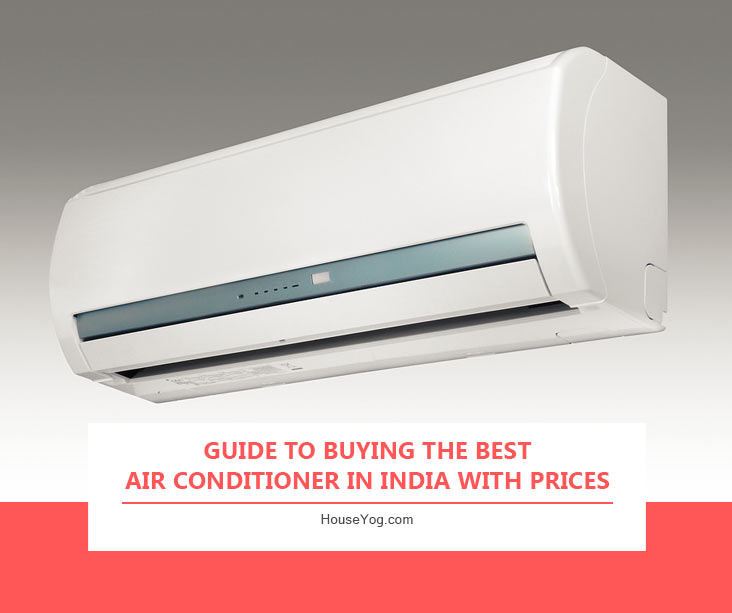
Replenishing refrigerant in your cooling system is not a routine maintenance job. Typically, a/c systems are made to operate efficiently without needing a refill. However, if your system is low on cooling agent, it can show a leak, which must be addressed immediately. Usually, if you locate on your own requiring to replenish cooling agent every year, it's a sign that your system requires expert maintenance.
Variables that can affect how typically you need to replenish cooling agent consist of the age of your unit, its condition, and exactly how regularly it is made use of. Older systems may call for even more constant maintenance contrasted to more recent, much more effective models. Normal upkeep checks can assist recognize problems prior to they cause the demand for a refrigerant refill.
In recap, you need to not have to replenish refrigerant often. If you discover a drop in cooling down efficiency, it is important to get in touch with a specialist specialist to identify the issue and do necessary repairs instead of just adding cooling agent. This method guarantees your system continues to be effective and risk-free.
Can I Re-fill Refrigerant Myself?
Filling up refrigerant in your a/c system is a job that needs careful factor to consider and knowledge of appropriate treatments. While it might be tempting to try and do it yourself in order to conserve cash, there are a number of variables to remember.
To start with, handling cooling agents can be harmful. Many refrigerants are identified as harmful materials, and mishandling them can cause wellness threats or environmental damage. It is vital to wear proper protective equipment and be informed on safe handling methods.
Second of all, recognizing the certain needs of your a/c unit is necessary. Various systems utilize different types of cooling agents, and making use of the wrong one could harm your system and void any guarantees. Furthermore, This Site can create leaks, and merely refilling the cooling agent without determining and repairing the leakage will bring about more problems.
Finally, unless you have the proper devices and competence, it is commonly extra effective and safer to hire an expert specialist. They not only have the needed accreditation however likewise the experience to handle any type of difficulties that might develop throughout the refill process. In recap, while DIY refills are technically feasible, it's typically recommended to seek specialist help to make sure both safety and optimal efficiency of your a/c system.
What Are the Threats of Reduced Cooling Agent Degrees?
Reduced cooling agent levels in air conditioning systems can result in numerous dangers that affect both performance and security. When the refrigerant is insufficient, the system can not efficiently take in warmth from the interior air, resulting in inadequate air conditioning. This can trigger the device to work harder, resulting in boosted energy consumption and greater energy expenses. Long term operation under these conditions might additionally stress the compressor, possibly bring about early failure.
One more significant threat of low refrigerant levels is the potential for system leaks. A decrease in refrigerant often shows that there is a leak someplace within the system. If left unaddressed, this leaking cooling agent can trigger further damage and might at some point lead to complete system failure. In addition, certain cooling agents can be dangerous to the setting, adding to ozone exhaustion if released into the ambience.
Sometimes, low cooling agent degrees can also result in concerns such as ice formation on the evaporator coils. Ice accumulation can further block air flow, aggravating the air conditioning troubles and damaging the coils with time. Consequently, prompt discovery and refill of reduced cooling agent degrees are important for maintaining the integrity and efficiency of your air conditioning system.